

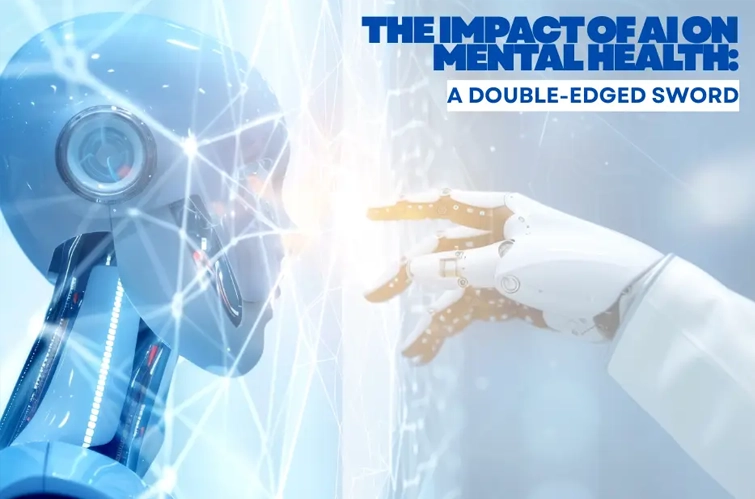
How AI Is Affecting Our Mental Health
When Technology Replaces Human Connection
The other day, I was at the grocery store waiting in line at the deli counter. Ahead of me, someone was visibly frustrated while talking on the phone. After a few minutes, they sighed and said, “I just wish I could speak to a real person.” They had been stuck in an automated system, transferred from one AI bot to another without ever reaching a live representative.
That small moment really made me think.
We live in an era where Artificial Intelligence (AI) is becoming more integrated into daily life—customer service, healthcare, education, even therapy. While technology offers convenience and efficiency, it also brings new emotional and psychological challenges that affect our well-being more than we may realize.

The Frustration of Feeling “Unheard”
There’s a deep human need to feel heard, understood, and validated. When we interact with automated systems, especially during stressful or emotional situations, we lose that essential connection.
Whether it’s calling your internet company, trying to fix an online issue, or seeking medical advice, the lack of human interaction can create feelings of helplessness, isolation, and even anger. Over time, constant exposure to impersonal digital communication can contribute to increased irritability, anxiety, and emotional fatigue.
The Convenience vs. Connection Dilemma
AI has made life more convenient in many ways—instant information, 24/7 access, and personalized recommendations. But that convenience sometimes comes at the cost of connection.
In mental health, we’re seeing both sides of this coin. AI chatbots and virtual therapy tools can make support more accessible and help track mood patterns. However, they can’t replace the warmth, empathy, and intuitive understanding that come from speaking with a real person who listens—not just responds.
Why Human Connection Still Matters
Human empathy can’t be replicated. When someone looks at you, listens to your tone, and responds with genuine care, it activates the parts of the brain associated with safety and trust. AI may simulate understanding through programmed language, but it lacks the emotional depth that helps people feel truly seen and supported.
As a society, we need to find balance, embracing technology as a helpful resource while also protecting our emotional need for real connection.
How to Stay Grounded in an AI World
Pause and reflect: When frustration arises (like being stuck in an AI loop), take a deep breath before reacting.
Seek human connection: Whenever possible, choose live communication—whether it’s a phone call with a friend, a therapy session, or an in-person conversation.
Use technology mindfully: Let AI tools assist you, but not replace meaningful interactions.
Be patient—with yourself and others: We’re all learning how to navigate this evolving digital landscape together.

Final Thoughts
AI is here to stay, and it’s changing how we live, work, and communicate. But as we move toward greater automation, it’s essential to remember that emotional well-being still depends on human connection.
At Lotus Counseling Center, we believe healing begins with empathy and understanding—something no machine can truly replicate. Technology can enhance our tools, but compassion will always be at the heart of mental health.
Need help? We’re accepting new clients. Appointments available now.
Call us | DM us | Visit our website
Let’s make this November a month of gratitude, grounding, and growth—a time to slow down, reflect, and nurture both our minds and hearts.