

Social media platforms like TikTok and Instagram have become more than just a place
for social connection—they’ve evolved into spaces where trends and content can shape
our behaviors, self-image, and even our relationship with food. One of the more subtle
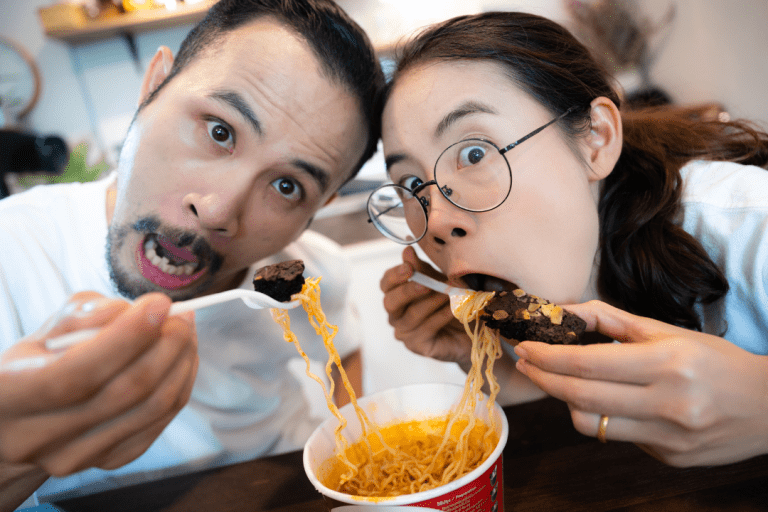
but growing trends involves videos of people eating, often in large quantities or with an
exaggerated sense of enjoyment, known as eating videos. These videos, though not
always tied to food challenges, can still have a significant impact on how we view food
and ourselves.
At Lotus Counseling, we believe it’s essential to consider the mental, emotional, and
physical effects of these kinds of social media trends. While food-related content might
appear innocent or entertaining, we must recognize how these videos can influence our
habits, attitudes, and even our self-worth, particularly in relation to our bodies and
eating behaviors.
The Role of Eating Videos in Body Image and Self-Worth
When scrolling through TikTok or Instagram, it’s common to come across videos of
individuals eating everything from huge platters of fast food to unique snacks, all often
filmed with a focus on the process and the sounds of eating. These videos are often
presented in ways that make the act of eating appear entertaining or even glamorous.
While some viewers may enjoy watching, it’s important to consider how this type of
content can affect body image and self-esteem.
For many people, these videos may unintentionally contribute to body dissatisfaction. If
the person eating in the video has an “idealized” body type—such as being slender or fit
—it can create a sense of disconnect, leading some viewers to believe they should enjoy
food the same way or that overeating is glamorous or carefree. The pressure to look a
certain way while consuming food or enjoying it in excess can lead to confusion about
how we should view our own eating habits and bodies.
Moreover, for individuals who struggle with body image issues or eating disorders, these
videos might act as triggers. The normalization of large quantities of food being
consumed in one sitting can perpetuate unhealthy thoughts about food and eating. It
may cause individuals to either feel guilty about their own food choices or, on the other
hand, develop habits where eating becomes associated with entertainment or
indulgence, rather than a balanced, healthy activity.
The Influence on Eating Habits and Food Perception
At Lotus Counseling, we emphasize the importance of developing a healthy, mindful
relationship with food. Unfortunately, videos of people eating in large amounts or with
exaggerated enjoyment can distort the way we think about food. They might
unintentionally lead people to see food primarily as a source of entertainment or
pleasure, rather than nourishment.
When we consume content that shows individuals eating for the camera or as part of a
“performance,” it can distract us from recognizing our body’s natural hunger and
fullness cues. Eating videos might promote a pattern of mindless eating, where we focus
more on the entertainment value or the sensation of eating than on our actual physical
needs. This disconnection can foster unhealthy eating habits, including overeating or
binge-eating episodes.
Furthermore, the rise of such videos could subtly influence viewers to associate food
with social validation. The number of views, likes, or comments can make someone feel
like the more they eat or the more they enjoy food publicly, the more they are accepted
or admired. This can create a problematic cycle where eating becomes about gaining
attention or approval rather than meeting one’s personal health and nutritional needs.
The Pressure to Conform to “Trendy” Eating Behaviors
Social media often thrives on trends, and the popularity of videos showing people
eating specific foods or quantities of food is no exception. As certain eating behaviors
go viral, there’s a potential for pressure to conform. For some viewers, the desire to
participate in the trend may lead them to engage in unhealthy eating practices—
whether it’s overeating or mimicking someone else’s food choices just to fit in or get
noticed.
In a culture obsessed with external validation, it’s easy for individuals to feel compelled
to participate in viral trends, even if it doesn’t align with their true hunger or nutritional
needs. People may feel an unspoken pressure to eat certain foods or in specific ways to
keep up with what’s trending. This reinforces the idea that food should be used for
performance or social engagement, rather than for self-care.
The Risk of Triggering Disordered Eating Behaviors
For those already struggling with disordered eating behaviors—such as restrictive
eating, binging, or purging—these videos may exacerbate unhealthy thoughts and
actions. Watching someone eat large amounts of food, especially in a celebratory or
comedic manner, can trigger feelings of guilt or anxiety around one’s own eating habits.
On the other hand, the portrayal of large amounts of food may lead to a desire to binge
or consume food in excess, contributing to cycles of emotional eating or disordered
behaviors.
At Lotus Counseling, we help individuals recognize the importance of having a healthy,
balanced relationship with food—one that is not driven by external pressures or the
desire to gain social approval. Eating videos can promote unrealistic expectations of
how food should be consumed or enjoyed, potentially making it harder to trust one’s
natural body cues and maintain a healthy attitude toward eating.
What Can We Do?
If you’re concerned about the impact these eating videos may be having on your mental
and physical health, here are some steps to help you regain control over your
relationship with food:
- Limit Exposure to Triggering Content: You don’t have to completely avoid social
media, but consider unfollowing or muting accounts that focus heavily on eating
videos or content that makes you feel uneasy about food or your body. - Cultivate Mindful Eating: Practice eating with intention—listen to your body’s
hunger and fullness cues, and savor each bite. Avoid distractions like scrolling
through your phone or watching videos while eating, as this can disrupt your natural
eating rhythms. - Seek Positive Role Models: Follow influencers or accounts that promote healthy
eating habits, body positivity, and self-care. These accounts can provide a more
realistic and empowering view of food and body image. - Challenge Social Pressures: Remind yourself that food should be a source of
nourishment, not performance. Try to disconnect from the need for validation
through social media likes or views, and focus on how food makes you feel rather
than how it looks in the context of viral trends. - Reach Out for Support: If you’re finding that social media content is affecting your
mental health or relationship with food, consider seeking help from a therapist or
counselor who specializes in body image issues, eating disorders, or self-esteem.

While social media videos of people eating may seem harmless or even entertaining, it’s
important to recognize their potential effects on our relationship with food and body
image. At Lotus Counseling, we encourage individuals to take a step back, critically
evaluate the content they consume, and prioritize their mental and physical well-being.
The ultimate goal is to develop a healthy relationship with food—one that is based on
nourishment, self-care, and self-acceptance—rather than the need for external
validation or conformity to viral trends.
If you or someone you know is struggling with disordered eating or the impact of social
media, don’t hesitate to reach out. We’re here to help you navigate these challenges and
foster a healthier, more positive relationship with food and yourself.