The vagus nerve is one of the most powerful components of your nervous system, playing a vital role in managing stress, emotional regulation, and overall well-being. When activated and functioning properly, it acts as a natural calming agent, reducing anxiety, lowering heart rate, and supporting digestion and immune function.
At Lotus Counseling, we understand the importance of supporting your body’s natural pathways to healing. That’s why we emphasize simple, natural ways to stimulate and soothe the vagus nerve—helping you feel more balanced, resilient, and at peace.
What Is the Vagus Nerve?
The vagus nerve (from the Latin word for “wandering”) is the longest cranial nerve in the body, extending from the brainstem to various organs, including the heart, lungs, and digestive tract. It’s a major part of the parasympathetic nervous system—the “rest and digest” system that helps us relax and recover from stress.
When the vagus nerve is underactive due to chronic stress, trauma, or lifestyle factors, it can lead to heightened anxiety, digestive issues, inflammation, and sleep problems.

Natural Ways to Calm the Vagus Nerve
Here are some simple, science-backed techniques to support vagal tone and restore nervous system balance:
- Deep, Slow Breathing
Practicing diaphragmatic breathing (also known as belly breathing) slows the heart rate and sends a signal of safety to the brain. Try inhaling for 4 seconds, holding for 2, and exhaling for 6 seconds. Just a few minutes a day can make a big difference.
- Cold Exposure
Splashing cold water on your face or finishing your shower with 30 seconds of cool water can stimulate the vagus nerve and increase resilience to stress.
- Humming, Singing, and Chanting
Because the vagus nerve runs through the vocal cords, vocal exercises such as humming, chanting “om,” or even singing out loud can activate it gently and naturally.

- Meditation and Mindfulness
Mindfulness meditation encourages a relaxed awareness that has been shown to enhance vagal tone. Practices such as loving-kindness meditation can be especially effective in fostering a sense of safety and connection.
- Yoga and Gentle Movement
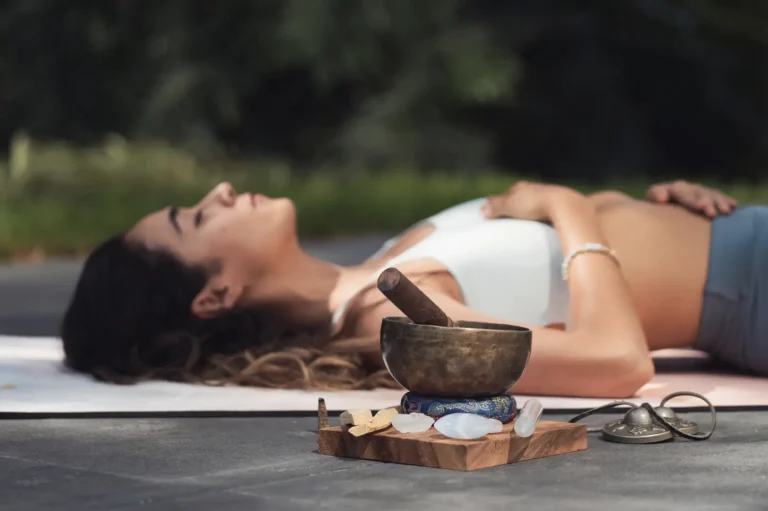
Gentle yoga poses and stretches—especially those involving twists and deep breathing—stimulate vagal activity and help release stored tension from the body.
- Laughter and Social Connection
Genuine laughter and heartfelt conversation with loved ones activate the vagus nerve, improving mood and enhancing emotional regulation. Even recalling warm memories can have a calming effect.
- Massage and Bodywork
Neck, shoulder, or foot massage (or even self-massage) can trigger the vagus nerve through touch. Craniosacral therapy and other forms of bodywork are especially supportive.

Healing Is Possible
At Lotus Counseling, we believe in the body’s natural wisdom. Whether you’re navigating anxiety, trauma, or burnout, gentle stimulation of the vagus nerve can be an important part of your healing process. By integrating these calming practices into your daily life, you begin to rewire your nervous system toward safety, connection, and peace.
If you’re curious about how we can support you on this journey, reach out today. Let’s work together to bring your nervous system back into harmony—naturally.