
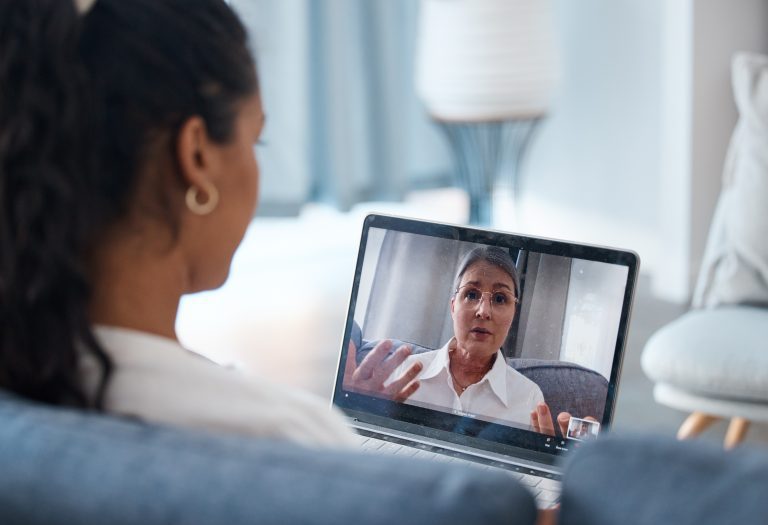
The journey of mental health services has dynamically shifted over the past few years, with telehealth counseling emerging as a critical component of care, especially since the COVID-19 pandemic began. With social distancing and heightened anxieties about face-to-face meetings, both therapists and clients turned to digital platforms to uphold mental health treatment. This change didn’t just transform therapy methods; it widely broadened the scope and accessibility of mental health care for many.
At our Miami-based Lotus Counseling Center, we’ve witnessed how telehealth has dismantled conventional barriers to accessing mental health support. As the landscape of client needs rapidly changes, so too must our therapeutic methods. In this article, our goal is to delve into the transformation of telehealth since the onset of COVID-19, focusing on the practical benefits and challenges of virtual therapy while sharing our commitment to providing compassionate, high-quality care in both virtual and face-to-face environments.
Navigating the Uncharted Waters of Telehealth Counseling
The sudden arrival of COVID-19 in early 2020 created upheaval across all walks of life, significantly altering the delivery of mental health care. The abrupt halt to in-person therapy prompted both providers and clients to adapt swiftly to ensure continuity of care. Telehealth, previously supplementary, quickly became the primary channel for counseling sessions.
As one study highlights, “Over the course of the COVID-19 pandemic, telehealth availability expanded rapidly. This change was marked and persistent for mental health care” (Pierce et al., 2024, p. 1). The shift, born out of necessity, was not without its challenges. Therapists had to navigate selecting secure, HIPAA-compliant platforms while clients adjusted to sharing personal thoughts and feelings through a computer screen.
For those of you still navigating or beginning your journey in this digital therapeutic environment, it’s essential to consider how well you feel seen and heard in your sessions. Reflect on what aspects, like convenience, work well and where adjustments could enhance your experience. For clinicians, lessons learned from this initial transition continue to inform best practices, emphasizing the need for flexibility, adaptability, and robust technological support.
The Growth and Advancement of Virtual Counseling
Following the emergency transition period, virtual counseling rapidly evolved. Initial technical glitches and cumbersome user interfaces were replaced by sophisticated platforms specifically designed for mental health professionals. These platforms now often come equipped with scheduling tools, secure communication, journaling features, and even AI-assisted mood tracking.
Significant reforms in insurance policies also played a pivotal role in this expansion. Federal and state regulations now allow Medicare and Medicaid reimbursements for telehealth services, removing a key barrier to care: “State and federal policies…facilitated telehealth adoption by enabling Medicare and Medicaid reimbursements” (Pierce et al., 2024, p. 1). This development has made mental health support accessible to low-income and underserved populations.
Whether you’re a busy professional, a parent, or considering therapy for the first time, the evolution of virtual counseling offers opportunities for more convenient engagement in your treatment journey. At our center, we provide initial assessments to help identify your tech needs and ensure your first session flows smoothly.
In this ever-changing landscape, therapists are now better equipped to meet clients’ needs—both physically and emotionally—and maintain a powerful therapeutic connection, even across the digital divide. For example, clients exploring support for depression or bipolar disorders benefit significantly from virtual tools that complement treatment plans.
Exploring the Flexibility of Teletherapy
Perhaps the most significant shift brought on by telehealth is its flexibility for clients with hectic lifestyles or geographic barriers. By removing the need for travel, telehealth actively diminishes the stigma of walking into a therapy office. It’s especially valuable for rural residents and those with chronic health conditions who find travel challenging.
Telemental health provides improved accessibility and convenience, particularly for populations with mobility, transportation, or geographic barriers. These logistical barriers have posed significant challenges to accessing mental health care for too long.
If you are balancing numerous responsibilities—be it work, family, or education—teletherapy might be precisely what you need to prioritize your mental health. Consider what times realistically suit your schedule for therapy. With the option of telehealth, it’s about finding a time that fits your lifestyle, not overcoming physical barriers.
At Lotus Counseling Center, we’ve seen a surge in demand for specialized services like virtual group therapy and family counseling, bilingual counseling, and digital journaling. This flexibility plays a vital role in empowering clients; some can even engage with their therapist daily via secure messaging, significantly enhancing therapeutic outcomes.
Challenges and Considerations: Privacy, Security, and Efficacy
While telehealth brings numerous benefits, it also raises legitimate concerns regarding privacy and security. It’s crucial for both therapists and clients to use platforms that are encrypted and comply with national standards like HIPAA.
These platforms are now the norm, and therapists are trained to help clients establish private, distraction-free environments for their sessions. Simple measures, such as using headphones and placing white noise machines outside your room, can bolster privacy.
Clients should treat virtual sessions with the same reverence as in-person ones. At Lotus Counseling Center, we advise finding a quiet space, turning off your alerts, and fully immersing in your therapy session.
But does teletherapy hold the same efficacy as traditional face-to-face sessions? Research strongly supports that it does: “Research indicates that telemental health services are as effective as in-person services” (McBeath et al., 2023, p. 1). Clients managing challenges like anxiety disorders, depression, or relational conflicts consistently report strong alliances and meaningful progress through virtual therapy.
Trust that the emotional healing and profound connections you seek can thrive in a virtual setting with intentional effort from both parties.
Prioritizing Mental Health Equity
An essential aspect of telehealth’s transformation is its role in promoting mental health equity. This democratization of therapy significantly benefits marginalized communities, including racial minorities and individuals who might face cultural or linguistic barriers in traditional settings. Virtual spaces can provide a more comfortable and accessible environment, offering care in native languages and accommodating cultural sensitivities, which is vital for our diverse Miami community.
Telehealth holds the promise of bridging gaps in mental health accessibility, transforming it from being a privilege to a fundamental right accessible to all. By keeping this broader impact in mind, we can foster empathy and advocacy for more inclusive mental health care systems.
Lotus Counseling Center’s Role in Our Collective Wellness Journey
As we all adapt to our new reality, community centers like Lotus Counseling Center play a crucial role. Our Miami office embraces a hybrid model, offering both in-person and virtual sessions in recognition of each client’s unique needs. Some might thrive on the personal connection an in-person meeting offers, while others prefer the convenience of online sessions.
Our dedicated therapists offer flexible scheduling and diverse therapeutic modalities, from cognitive-behavioral therapy to relationship and communication issue counseling, all available on digital platforms. Continuous ongoing training ensures we stay on top of technological and clinical advancements, providing you with the most effective care.
A hybrid approach means your therapy can continue uninterrupted through life’s transitions, whether it’s postpartum challenges, grief, or job changes. At Lotus Counseling, we’re committed to maintaining this adaptability and personalization in your therapeutic journey.
Envisioning the Future of Telehealth Counseling
As we look toward the future, telehealth is becoming a permanent fixture rather than a fleeting trend. Hybrid models, offering a blend of virtual and in-person sessions, are designed to accommodate the multifaceted nature of our busy lives.
The pandemic, while challenging, was also “a significant opportunity to transform psychiatric care by improving access and patient outcomes” (Fagiolini et al., 2023.). We’re now seeing enhanced tools like AI-driven symptom monitoring and mental health chatbots, which supplement traditional therapy.
For practitioners, this means a call to continue evolving and growing. For clients, it’s about becoming strong advocates for your own mental health—expressing your preferences, voicing your needs, and taking full advantage of the options available to you.
At Lotus Counseling Center, we believe that the future of mental health care is not just digital—it’s personalized, inclusive, and responsive. Whether you’re exploring therapy for the first time or returning after a break, we’re here to help you find a path that fits your lifestyle and goals.
A New Standard in Accessible, Compassionate Care
The transformation of telehealth counseling since COVID-19 has reshaped the very foundation of how mental health care is delivered and received. We’ve entered a new era—one defined by flexibility, equity, and innovation. While the initial transition may have been born out of necessity, the lasting impact has created more opportunities for healing, connection, and empowerment than ever before.
Whether you choose in-person sessions, virtual care, or a mix of both, know that your mental wellness journey is valid, important, and deeply supported. At Lotus Counseling Center, we’re honored to walk beside you in this new chapter of mental health care—where access, empathy, and individualized treatment truly come together.
Works Cited
- Pierce, B. S., Perrin, P. B., Tyler, C. C. M., McKee, G. B., & Watson, J. D. (2021). The COVID-19 telepsychology revolution: A national study of pandemic-based changes in U.S. mental health care delivery. American Psychologist, 76(1), 14-25. https://pubmed.ncbi.nlm.nih.gov/32816503/
- Pierce, B., et al. (2024, October 29). Post-Pandemic Telehealth Practices Among Psychologists. American Telemedicine Association. https://www.americantelemed.org/blog/post-pandemic-telehealth-practices-among-psychologists/
- Alcaíno, C., Raouna, A., Tunç, H., MacBeth, A., & Youngstrom, E. (2018). Telemental Health Care, an Effective Alternative to Conventional Mental Care: a Systematic Review. Archives of Neuroscience, 5(1) .
https://pmc.ncbi.nlm.nih.gov/articles/PMC5723163/ - Fagiolini, A., Baldessarini, R. J., & Koukopoulos, A. (2023). Telehealth for psychiatry and mental healthcare can improve access and patient outcomes. Nature Medicine, 29(11), 2736–2738.